Discover the factors that influence retaining wall costs, from materials and drainage to installation requirements, and learn how to make a lasting investment in your property.
How Much Does a Retaining Wall Cost in South Carolina? A Complete Homeowner Guide
July 7, 2026 | John Bosse
A retaining wall can do much more than improve the appearance of your landscape. It can protect your property from erosion, manage drainage issues, create usable outdoor space, and prevent costly damage caused by shifting soil.
For homeowners in South Carolina and Georgia, understanding what impacts retaining wall costs is the first step toward making a smart investment. While every property is different, the final price depends on several important factors, including materials, site conditions, wall size, and installation requirements.
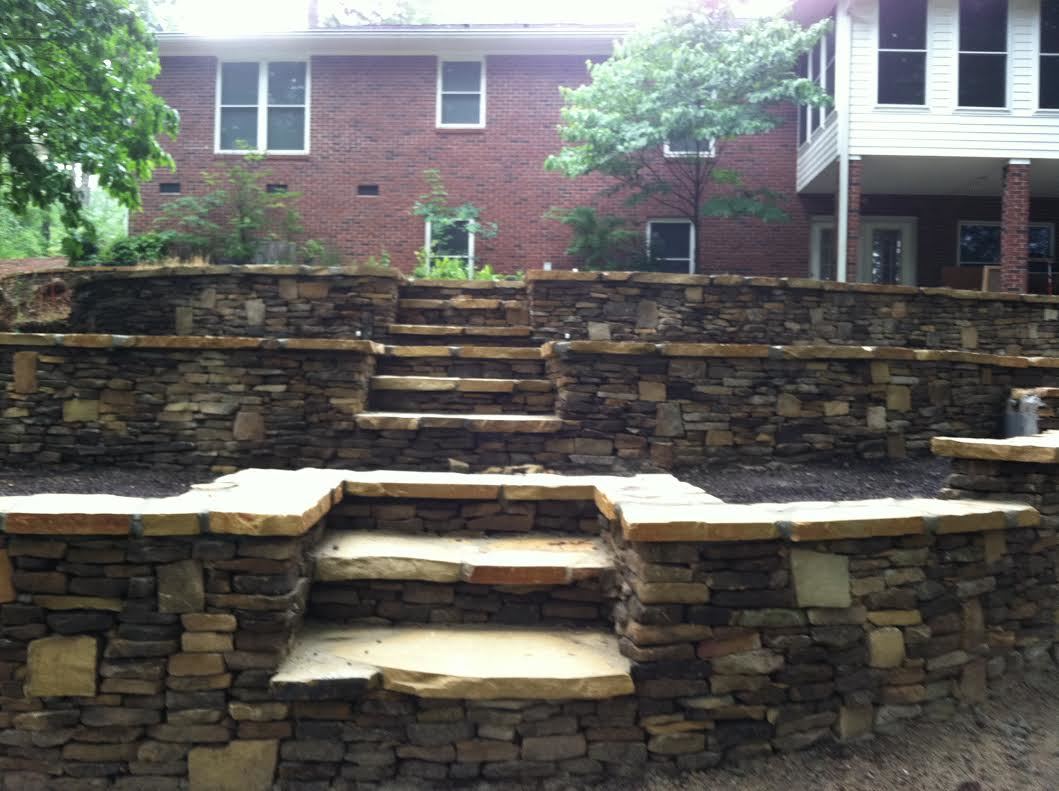
Bosse Stoneworks, LLC specializes in durable masonry solutions, including engineered retaining walls designed with structural integrity and long term performance in mind. With decades of experience in brick and stone construction, the company helps homeowners create functional and lasting outdoor spaces.
What Is the Average Cost of a Retaining Wall in South Carolina?
The cost of a retaining wall varies based on the unique needs of your property. A small decorative wall may require less preparation than a large structure designed to control erosion or support a steep slope.
Several factors influence the total investment, including:
• The height and length of the wall • The type of material selected • Soil conditions and property layout • Accessibility of the installation area • Drainage requirements • The amount of preparation needed before construction
A professional contractor will evaluate your property before recommending the right solution.
The Biggest Factors That Affect Retaining Wall Costs
Material Selection
The material you choose plays a major role in the appearance, durability, and cost of your retaining wall.
Natural stone walls provide a timeless look and can complement many architectural styles. Brick masonry can offer a classic appearance while providing dependable strength. Other materials may work for certain applications, but the right choice depends on your property's needs and long term goals.
A quality retaining wall should not only look good. It should be built to handle pressure, weather, and changing conditions.
Wall Size and Structural Requirements
A retaining wall is a structural feature, not just a landscaping decoration.
Taller and larger walls require more planning, stronger foundations, and careful installation techniques. Without proper construction, walls can experience movement, cracking, or failure over time.
Professional planning helps ensure the wall is built for the conditions of your property.
Drainage and Water Management
One of the most important parts of retaining wall construction is managing water.
Water buildup behind a wall creates pressure that can weaken the structure. Proper drainage helps reduce stress and protects the wall from long term damage.
This is why experienced masonry contractors focus on more than appearance. They consider grading, drainage, materials, and construction methods to create a dependable result.
Signs Your Property May Need a Retaining Wall
Many homeowners wait until erosion becomes severe before considering a retaining wall. Recognizing early warning signs can help prevent bigger problems.
You may need a retaining wall if you notice:
• Soil washing away after heavy rain • Standing water in certain areas of your yard • Sloped areas becoming difficult to maintain • Exposed roots or shifting soil • Cracks or movement in existing landscape walls • Landscaping materials constantly moving downhill
Addressing these issues early can protect your property and improve your outdoor space.
Why Cheap Retaining Walls Often Become Expensive Repairs
Choosing the lowest price is not always the best investment. Poor installation can lead to problems such as:
• Inadequate drainage • Improper base preparation • Incorrect materials • Structural movement • Costly repairs later
A properly built retaining wall should provide value for many years. The quality of the installation matters just as much as the materials used.
How to Choose the Right Retaining Wall Contractor
Before hiring a contractor, ask important questions:
How much experience do you have with retaining walls?
Can you provide examples of completed projects?
How will drainage be handled?
What materials do you recommend and why?
What preparation work is included?
Look for a company that understands both the appearance and engineering behind masonry construction.
Why Professional Retaining Walls Are a Smart Investment
A professionally built retaining wall can improve your property's appearance while providing important protection against erosion and drainage issues.
Bosse Stoneworks, LLC brings over 48 years of masonry experience to residential, commercial, and agricultural projects throughout South Carolina and Georgia. Their approach focuses on durable construction, quality materials, and masonry solutions built to last.
Protect Your Property With Expert Masonry
If your property needs erosion control, landscape improvement, or a custom retaining wall solution, contact Bosse Stoneworks, LLC today. Their experienced team can help design and build a retaining wall that improves your property's function, appearance, and long term value.